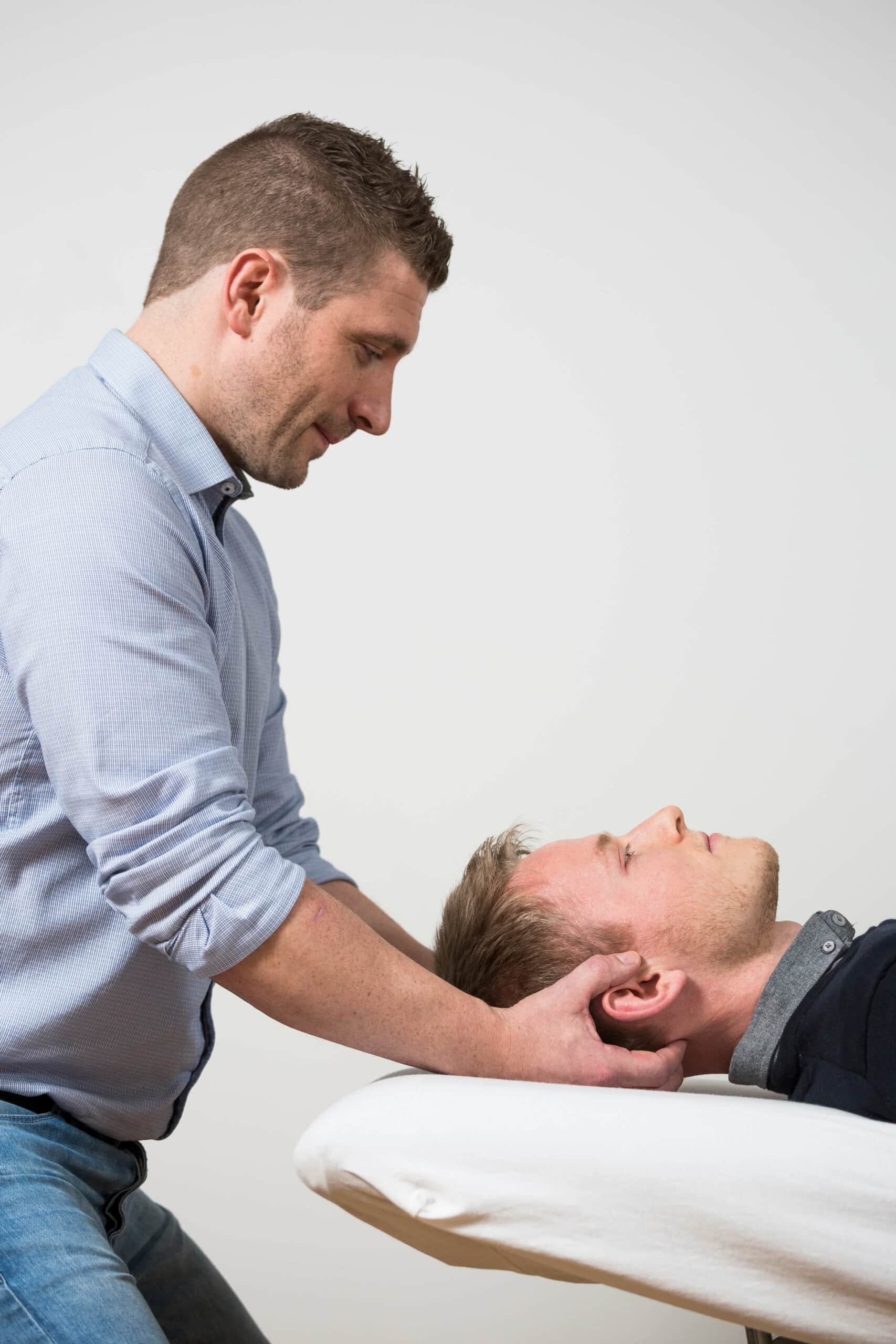
We advise on problems from
Insomnia
Learn more about insomnia on this subpage
Insomnia is a common sleep disorder characterised by difficulty falling asleep, staying asleep or waking up earlier than intended, despite having adequate opportunities to sleep. It can affect quality of life, as sleep plays an important role in both physical and mental health.
Insomnia may occur for a short period or develop into a chronic condition. Chronic insomnia involves persistent sleep difficulties that affect daytime functioning and may require professional assessment and treatment.
Research suggests that approximately 10% of adults experience chronic insomnia, although estimates vary depending on how the condition is defined and measured. In this article, we explore the symptoms, causes and treatment options for insomnia, along with practical advice on improving sleep quality.
Jump to section [Show]
What are the different types of insomnia?
Insomnia is commonly described according to how long sleep difficulties last. It can also occur alongside other physical or mental health conditions (1,4).
Short-term (acute) insomnia: Sleep difficulties that last for less than three months. They may be triggered by stress, travel, changes in routine or significant life events (4).
Chronic insomnia: Sleep difficulties occurring at least three nights a week for three months or longer, despite adequate opportunities to sleep, and causing distress or difficulties with daytime functioning (4,5).
Insomnia alongside other health conditions: Insomnia can occur together with conditions such as anxiety, depression or chronic pain. This is sometimes referred to as comorbid insomnia, although it is not considered a separate main type of insomnia (5).
Identifying how long insomnia has been present and whether other health conditions are involved can help guide assessment and treatment (5).

What are the symptoms of insomnia?
Insomnia can affect both sleep during the night and how you feel and function during the day. Common symptoms include (1,3):
- Difficulty falling asleep
- Waking up frequently during the night
- Waking up too early and being unable to fall back asleep
- Feeling unrefreshed after sleep
- Daytime tiredness, difficulty concentrating and irritability
Symptoms can vary from person to person. When sleep difficulties occur regularly and begin to affect daily life, it may be appropriate to seek advice from a healthcare professional (1).
What causes insomnia?
Insomnia can develop for several reasons and often involves a combination of physical, psychological and lifestyle factors. Common contributing factors include (1,4):
Stress and anxiety: Worries, racing thoughts and emotional stress can make it difficult to relax and fall asleep or stay asleep (4).
Sleep habits and lifestyle: Irregular sleep schedules, caffeine or alcohol consumption, and certain bedtime habits can interfere with sleep (4).
Medical conditions: Chronic pain, respiratory conditions and neurological disorders can contribute to sleep disturbances. Some medications may also affect sleep (4).
Hormonal changes: Menopause and thyroid disorders can affect sleep patterns and may contribute to insomnia (4).
In some cases, insomnia continues even after the original trigger has passed. Understanding the factors that contribute to sleep difficulties is therefore an important part of assessment and treatment (5).
How is insomnia diagnosed?
Insomnia is usually diagnosed through a clinical assessment of your sleep history, symptoms and how sleep difficulties affect your daily life. A healthcare professional may also ask about your lifestyle, medications and any underlying health conditions (1,4).
Common assessment methods include
Sleep diary: A record of sleep patterns, including bedtimes, waking times and night-time awakenings, usually kept for one to two weeks.
Questionnaires: Tools such as the Insomnia Severity Index (ISI) can help assess the severity of sleep difficulties and their impact on daily life.
Polysomnography: An overnight sleep study that may be recommended if another sleep disorder, such as sleep apnoea, is suspected. It is not routinely required to diagnose insomnia.
Actigraphy: A wrist-worn device that estimates sleep and wake patterns through movement monitoring. It may be useful in selected cases but is not routinely necessary.
The choice of assessment depends on your symptoms and medical history. Most people with insomnia do not need an overnight sleep study to receive a diagnosis.
How is insomnia treated?
Treatment for insomnia depends on how long sleep difficulties have been present, their severity and any contributing health conditions. Common treatment approaches include:
Cognitive behavioural therapy for insomnia (CBT-I)
CBT-I is the recommended first-line treatment for chronic insomnia. It helps address thoughts and behaviours that can maintain sleep difficulties, using techniques such as stimulus control, sleep restriction or sleep compression, and relaxation strategies (2,6).
Medication
Sleeping tablets may be prescribed for short-term use in certain circumstances, but they can cause side effects, and some carry a risk of dependence. Melatonin may be appropriate for selected patients, although it is not routinely recommended for everyone with insomnia (6).
Lifestyle changes
Maintaining a consistent sleep schedule, managing stress and creating a comfortable sleeping environment can support better sleep. However, sleep hygiene advice alone is generally not considered sufficient treatment for chronic insomnia(6).
If insomnia persists or significantly affects daily life, a GP can help identify possible contributing factors and recommend appropriate treatment.
What are some natural ways to improve sleep?
Several lifestyle habits and relaxation techniques may help support better sleep. However, these approaches are not a substitute for evidence-based treatment when insomnia becomes chronic (4,6).
Diet: Avoid caffeine in the hours before bedtime and try not to eat large, heavy meals late at night. A varied, balanced diet supports general health, although there is limited evidence that specific foods, such as bananas or almonds, directly improve insomnia (4).
Herbs and supplements: Herbal remedies such as chamomile and valerian are sometimes used to promote relaxation, but there is insufficient evidence to recommend them as treatments for insomnia. Melatonin may be appropriate in certain circumstances, but it should not be considered a general solution for sleep difficulties (6).
Relaxation techniques: Meditation, deep breathing and progressive muscle relaxation may help reduce stress and promote relaxation before bedtime. These techniques can complement other approaches to improving sleep (4,6).
If sleep difficulties persist or affect your daily life, speak to your GP about appropriate assessment and treatment.
How does insomnia affect physical and mental health?
Persistent insomnia can affect both physical and mental wellbeing, as well as everyday functioning. Research has linked chronic sleep difficulties with several health concerns, although these associations do not always establish a direct cause-and-effect relationship (3,6).
Potential effects and associations include:
Physical health: Chronic insomnia has been associated with an increased risk of cardiovascular disease and type 2 diabetes. Sleep also plays an important role in normal immune function. (3)
Mental health: Insomnia is closely linked to anxiety and depression, and ongoing sleep difficulties may also affect memory, concentration and emotional wellbeing. (3,6)
Everyday functioning: Poor sleep can contribute to daytime tiredness, reduced concentration, impaired work performance and an increased risk of accidents. It can also negatively affect overall quality of life. (3,6)
Recognising the wider impact of insomnia is important, particularly when sleep difficulties persist or begin to interfere with daily activities.
How can you improve your sleep routine?
Healthy sleep habits can help support better sleep quality and a more consistent sleep pattern. Some practical steps include (4):
- Maintain a regular sleep schedule: Try to wake up at approximately the same time each day and go to bed when you feel sleepy.
- Create a sleep-friendly environment: Keep your bedroom dark, quiet and comfortably cool.
- Limit stimulating activities before bedtime: Consider reducing screen use and other activities that keep you mentally alert in the evening.
- Exercise regularly: Regular physical activity can support better sleep. If vigorous exercise close to bedtime makes it harder for you to fall asleep, try exercising earlier in the day.
Although these habits can support healthy sleep, sleep hygiene alone is generally not sufficient to treat chronic insomnia. Cognitive behavioural therapy for insomnia (CBT-I) is the recommended first-line treatment (6).
Conclusion
Insomnia is a common sleep disorder that can affect both physical and mental wellbeing. Understanding its symptoms, possible causes and available treatment options is an important step towards improving sleep quality (1,4).
Healthy sleep habits and lifestyle changes can help support better sleep. However, for people with chronic insomnia, cognitive behavioural therapy for insomnia (CBT-I) is the recommended first-line treatment (6).
If you experience persistent sleep difficulties that affect your daily life, speak to your GP or another appropriate healthcare professional for advice and support.
Frequently Asked Questions About Insomnia
What is the difference between insomnia and poor sleep?
Occasional poor sleep is common and does not necessarily mean you have insomnia. Insomnia involves difficulty falling asleep, staying asleep or waking up too early, despite having adequate opportunities to sleep. These difficulties are typically associated with distress or problems functioning during the day (4,6).
How do I know if I have chronic insomnia?
Chronic insomnia is generally defined as sleep difficulties occurring at least three nights a week for three months or longer, despite adequate opportunities to sleep. The difficulties must also cause distress or affect daytime functioning. A healthcare professional can help assess your symptoms (6).
Can stress and anxiety cause insomnia?
Yes. Stress and anxiety can make it difficult to fall asleep or stay asleep. Insomnia can also continue after the original stressful situation has passed, particularly when worries about sleep or changes in sleep habits contribute to ongoing difficulties (4,6).
What is the most effective treatment for chronic insomnia?
Cognitive behavioural therapy for insomnia (CBT-I) is the recommended first-line treatment for chronic insomnia. It addresses thoughts and behaviours that can maintain sleep difficulties and is generally preferred over long-term use of sleeping medication (6).
Can insomnia go away on its own?
Short-term insomnia may improve when a temporary trigger, such as stress or a change in routine, resolves. However, persistent insomnia may require assessment and treatment. If sleep problems continue or affect your daily life, speak to your GP (4).
When should I see a GP about insomnia?
Consider seeing your GP if sleep difficulties persist, affect your daily activities or do not improve with changes to your sleep habits. Your GP can assess possible contributing factors, consider other sleep or medical conditions and recommend appropriate treatment (4,6).
References
- National Sleep Foundation. Understanding Insomnia. 2023. [Original reference supplied; exact publication details to be verified.]
- Harvard Medical School. Cognitive Behavioral Therapy for Insomnia (CBT-I). 2023. [Original reference supplied; exact publication details to be verified.]
- Centers for Disease Control and Prevention (CDC). Sleep Disorders and Public Health. 2023. [Original reference supplied; exact publication details to be verified.]
- NHS. Insomnia. Available at: https://www.nhs.uk/conditions/insomnia/
- NHS Lanarkshire. Hypnotics – General Notes: Insomnia. Right Decisions, NHS Scotland. Available at: https://www.rightdecisions.scot.nhs.uk/nhsl-medicines-guidance/joint-adult-formulary/chapter-4-central-nervous-system/hypnotics/
- Riemann D, Espie CA, Altena E, et al. The European Insomnia Guideline: An update on the diagnosis and treatment of insomnia 2023. Journal of Sleep Research. 2023;32(6). https://doi.org/10.1111/jsr.14035
- Smith MT, McCrae CS, Cheung J, et al. Use of Actigraphy for the Evaluation of Sleep Disorders and Circadian Rhythm Sleep-Wake Disorders: An American Academy of Sleep Medicine Clinical Practice Guideline. Journal of Clinical Sleep Medicine. 2018;14(7):1231–1237. https://doi.org/10.5664/jcsm.7230