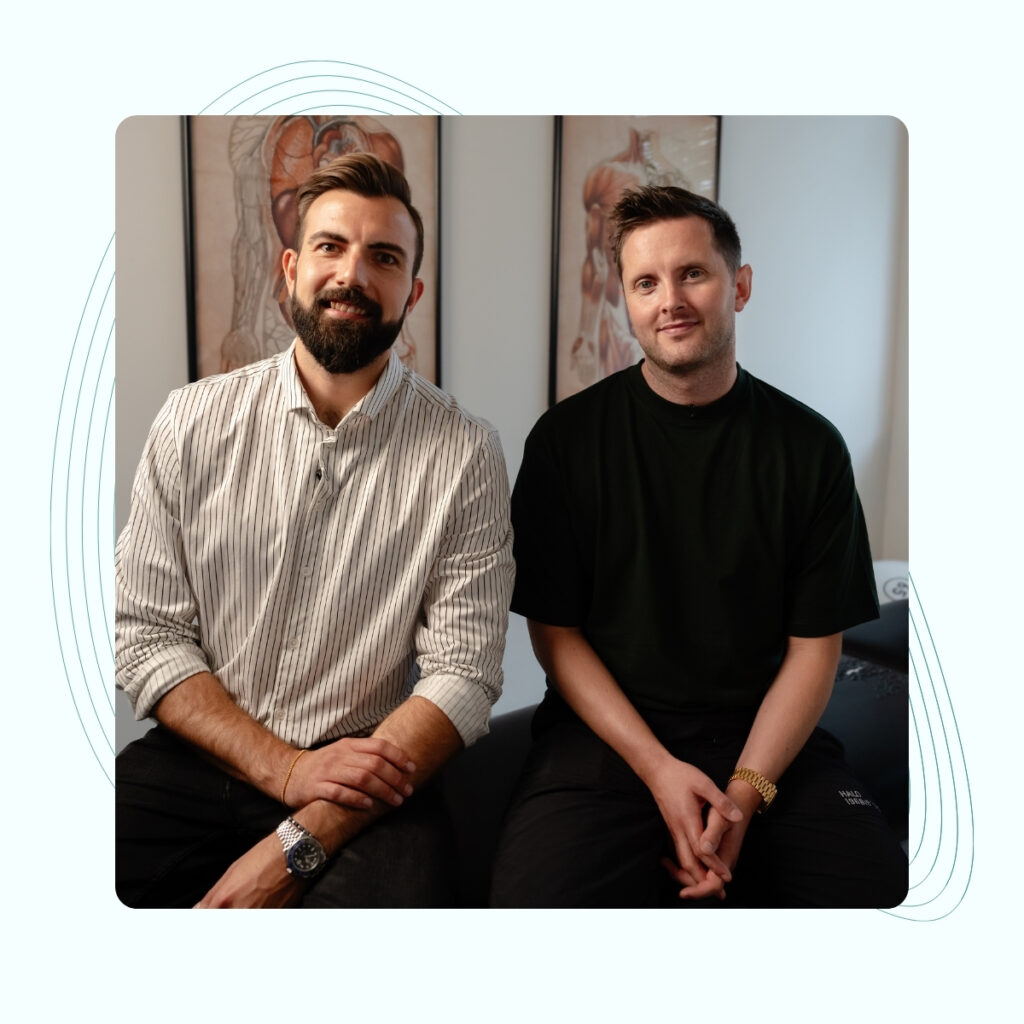
Together we evolve
Ask us anything
Expert osteopathic care you can rely on
At Osteonordic, we provide high-quality osteopathic care with a focus on thorough assessment, personalised treatment and long-term support. Our osteopaths work with patients of all ages and take a hands-on, individual approach designed to help you move better, feel better and stay active.
Phone: +44 20 4638 4539 | Email: info@osteonordic.com
If you have any questions before booking, our team is here to help. We are happy to guide you, answer practical questions and help you find the most suitable clinic or appointment.



Meet your osteopaths
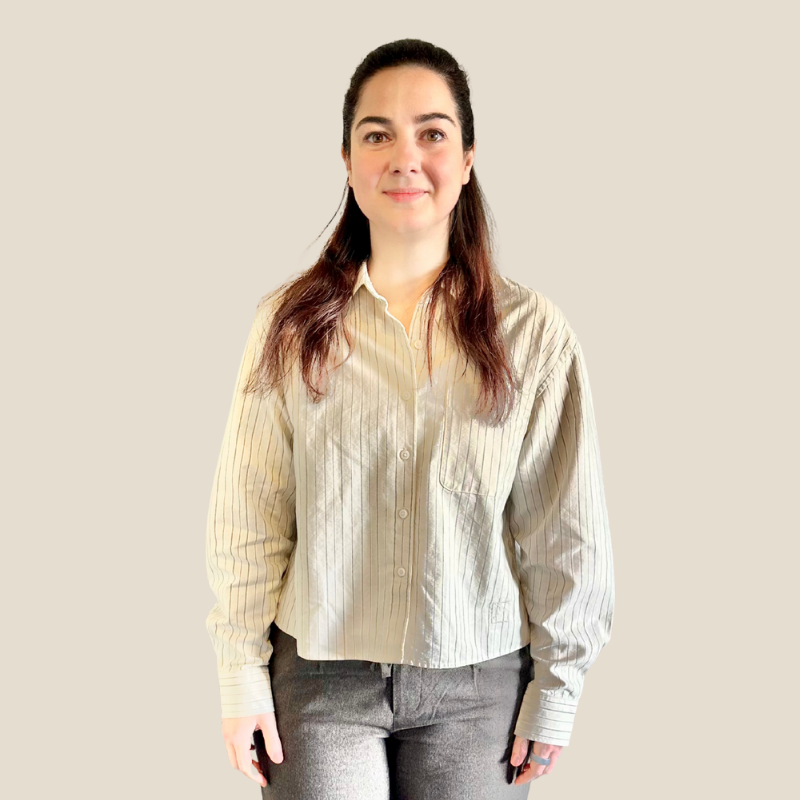
Giulia Bonetto
Senior Osteopath M.Ost. UK-registered osteopath (GOsC) with a Master’s degree in Osteopathy, extensive postgraduate training and part of Europe’s largest osteopathic group.
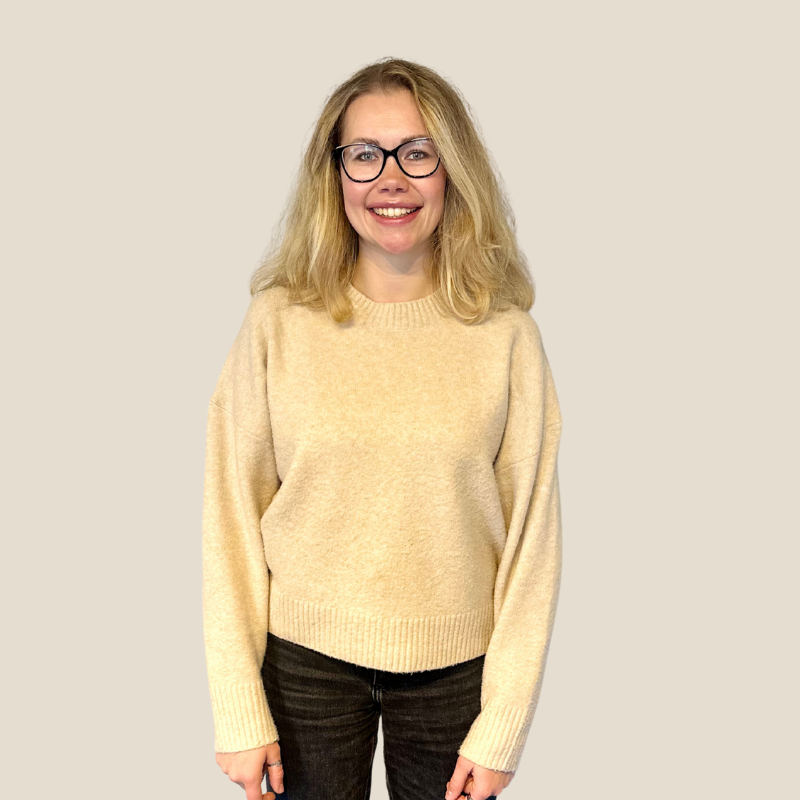
Darya Zaiceva
Senior Osteopath M.Ost. UK-registered osteopath (GOsC) with a Master’s degree in Osteopathy, extensive postgraduate training and part of Europe’s largest osteopathic group.

Mia Francis
Osteopath M.Ost UK registered osteopath (GOsC) with a Master’s degree in Osteopathy, extensive postgraduate training a part of Europe’s largest osteopathic group.
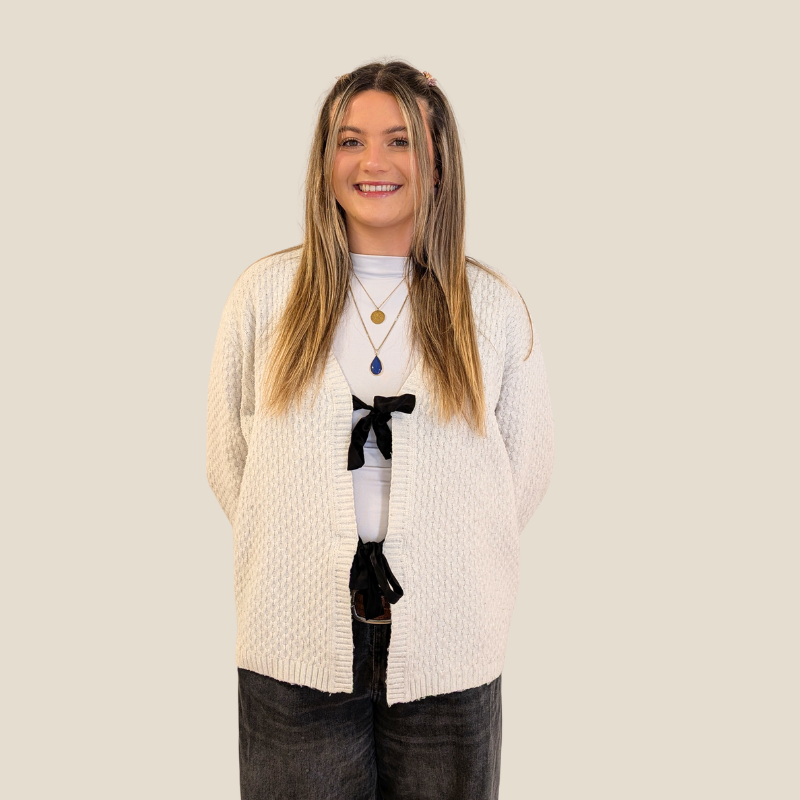
Megan Mogridge
Osteopath M.Ost UK registered osteopath (GOsC) with a Master’s degree in Osteopathy, extensive postgraduate training a part of Europe’s largest osteopathic group.
Trusted, GOsC-registered osteopaths
When you contact Osteonordic, you can feel confident that our osteopaths are registered with the General Osteopathic Council (GOsC), the official regulator for osteopaths in the UK. In the UK, osteopaths must be registered with the GOsC to practise, giving patients added reassurance around professional standards, patient safety and accountability. It is one of the ways we maintain safe, professional and high-quality osteopathic care across Osteonordic.
Frequently asked questions
Can children and infants see an osteopath?

Some parents choose to bring their children or infants to an osteopath as part of a broader approach to wellbeing. When working with babies and children, osteopaths use very gentle, hands-on techniques and take a cautious, individual approach.
Sessions focus on observation, listening and understanding each child’s circumstances, always taking age, development and comfort into account. Any approach is adapted carefully, and parents are encouraged to ask questions and be fully involved throughout the consultation.
Osteopathy for babies and children is complementary and does not replace medical care. Parents are always advised to consult their GP, health visitor or paediatrician if they have any concerns about their child’s health or development.
Cancellation policy
Cancellations must be made no later than the day before your appointment, during office opening hours (07:00–14:00).
Late cancellations or failure to attend without notice will be charged according to our price list.
What is the difference between osteopathy vs chiropractor?
Both osteopathy and chiropractic care are hands-on approaches that involve manual techniques and a focus on the musculoskeletal system. However, their training pathways and professional frameworks differ, particularly across countries.
In the United States, Doctors of Osteopathic Medicine (DOs) are fully qualified medical doctors who receive comprehensive medical training alongside education in osteopathic principles. This role is specific to the US healthcare system and differs from the osteopathic profession in many other countries.
In the UK and many parts of Europe, osteopaths complete a dedicated degree in osteopathy that focuses on anatomy, physiology, clinical assessment and hands-on, manual approaches. UK osteopaths are not medical doctors and do not prescribe medication or perform surgery. Their work centres on understanding the body as a whole and how structure, movement and function may be interconnected.
Chiropractic care also involves manual techniques, with a strong emphasis on the spine and its relationship to movement and function. Chiropractors typically focus on spinal assessment and adjustment as part of their approach. Like osteopaths in the UK, chiropractors are not medical doctors and do not prescribe medication or perform surgery.
Both professions are regulated in the UK and practise within clearly defined professional frameworks, offering different perspectives within manual and complementary healthcare.
Is an osteopathic session painful?
People’s experiences during an osteopathic session can vary. Osteopaths work in a gentle and considerate way, and any hands-on approach is adapted to each individual’s comfort and preferences.
Some people notice mild or unfamiliar sensations during certain techniques, while others feel very little at all. Open communication is encouraged throughout the session, and you are always welcome to let your osteopath know how you are feeling so the approach can be adjusted if needed.
What should I wear to a session?
It is generally recommended to wear comfortable, loose-fitting clothing that allows you to move freely. This makes it easier to observe posture and movement during the session and ensures you feel relaxed and at ease.
In some cases, you may be asked to remove outer layers of clothing, so wearing suitable undergarments can be helpful. If you are unsure what to wear or have any concerns, this can always be discussed with your osteopath before or during your visit.