17.01.25
What are the symptoms of asthma and how can they be treated?
Asthma is a chronic lung disease that affects both children and adults and is characterized by inflammation and narrowing of the airways. In this article, we take a closer look at the background of the disease and how it can be treated.


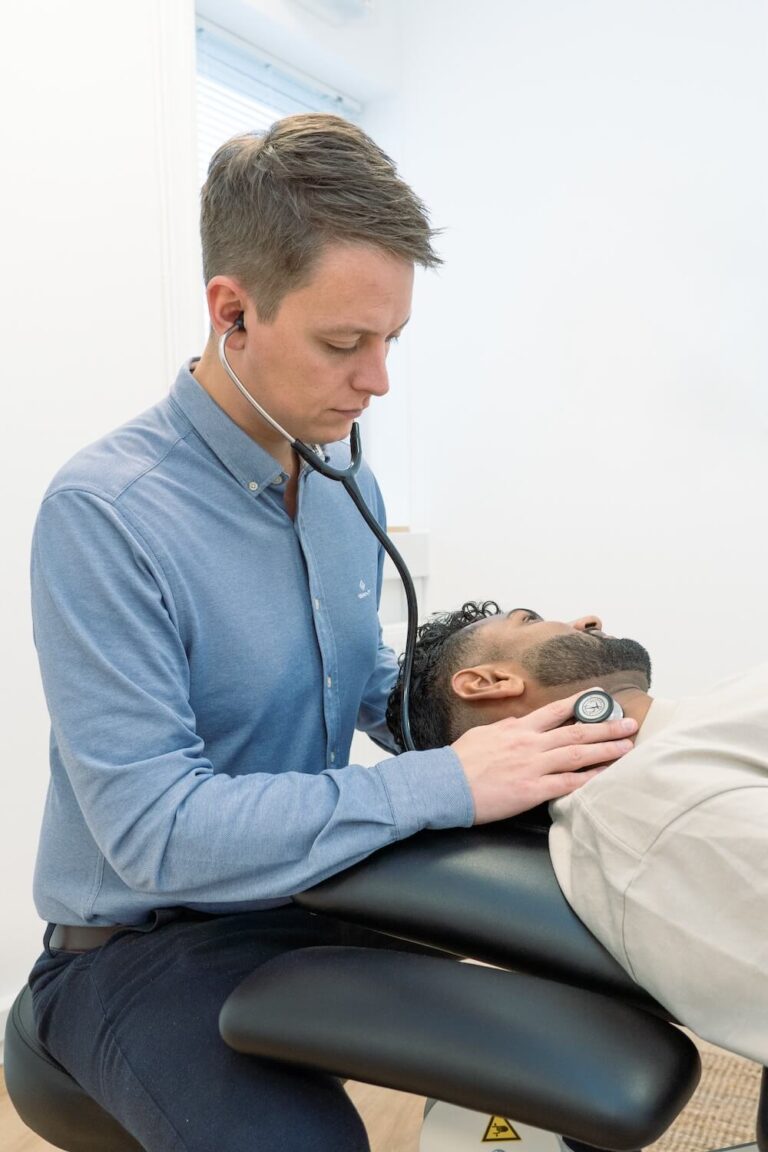
What is asthma?
Asthma is a common lung disease that can cause significant discomfort and challenges in everyday life. The disease is often underdiagnosed and undertreated – especially in low- and middle-income countries where access to healthcare and medicine may be limited. Symptoms can vary in severity and can be triggered by various factors such as allergens, air pollution, tobacco smoke and physical exertion. (Source: World Health Organization, WHO).
The exact causes of asthma are not yet known, but it is known that heredity and genetics are very likely a determining factor. (Source: Sundhed.dk, 1).
Symptoms of asthma
The symptoms of asthma typically include:
- Shortness of breath or labored breathing
- A wheezing or whistling sound when breathing
- Persistent cough
- Pain in or pressure in the chestv
(Source: Lungeforeningen).
Treatment of asthma
Modern treatment of asthma focuses on controlling symptoms through the use of inhaled medications, such as bronchodilators and steroids. (Source: Sundhed.dk, 2).
There is also research investigating the effectiveness of osteopathic treatment for asthma. Studies have indicated that osteopathic treatment can help reduce the need for medication and improve the quality of life of asthma patients. (Source: National Library of Medicine).
Osteopathic treatment of asthma
Osteopathic treatment is based on a holistic approach that focuses on improving the body’s structural balance and function.
Osteopathic treatment involves manual manipulation of muscles, bones and joints to relieve pain, improve mobility and support the body’s natural healing processes.
When it comes to asthma, osteopathic treatment can thus complement traditional medical treatment, as osteopathic treatment aims to improve respiratory function by working with structures that support the lungs and airways.
The treatment includes:
Improving torso mobility
Osteopaths often work to release tension in the chest and back, which can help improve lung capacity and respiratory function. By increasing mobility in the torso, the patient may experience less resistance to breathing and thus fewer asthma symptoms.
See how we generally treat back pain here.
Reduction of muscle tension
Tension in the muscles around the chest and neck can worsen asthma symptoms. Osteopaths can use techniques to reduce this tension, which can make breathing easier and reduce the frequency and severity of asthma attacks.
Learn more about muscle pain here.
Improving lymphatic drainage
By working with the body’s lymphatic system, osteopaths can help reduce inflammation and improve immune system function, which can be particularly beneficial for asthma sufferers, as inflammation in the airways is a central component of the disease.
Let us help you
Osteopathic treatment can be a valuable part of managing asthma, but it should always be seen as a supplement to conventional medical treatment.