17.01.25
Dehydration
Dehydration is a condition in which the amount of water in the body is too low. It can affect physical and mental health to a greater or lesser extent. In this article, we take a closer look at fluid intake and dehydration.
Fluid intake and dehydration
Dehydration occurs when the body loses more fluid than it takes in. This can be due to insufficient fluid intake or increased fluid loss through sweat, urine or diarrhea, or a combination of these factors (Source: Sundhed.dk).
Symptoms of dehydration can range from mild to severe and include dry mouth, dizziness, increased heart rate, and decreased urine output. In mild cases, symptoms may be difficult to recognize, making it important to be aware of the early signs, as mentioned above. Early detection of dehydration is crucial as it can prevent serious complications such as kidney failure, electrolyte imbalance, and shock. Keeping an eye on these symptoms and ensuring adequate fluid intake can help maintain a healthy level of hydration and overall well-being.
Symptoms of dehydration
Common symptoms of dehydration:
- Dry mouth and thirst: Early signs of dehydration, where the body signals the need for fluids.
- Darker urine: Indicates that the body is trying to retain fluid.
- Fatigue and weakness: Lack of fluids affects the body’s energy levels.
- Dizziness and headaches: Reduced fluid intake can affect blood circulation and brain function.
- Less frequent urination: Indicates that the body is trying to retain fluid.
- Dry skin and lips: The skin’s elasticity and moisture level are reduced by dehydration.
In more severe cases, dehydration can also cause confusion, rapid heartbeat, low blood pressure, or unconsciousness (Kilde: Med24). It is therefore important to recognize the symptoms of dehydration early in order to prevent serious health problems.
Causes of dehydration
Dehydration occurs when the body’s fluid loss exceeds fluid intake, disrupting the body’s homeostasis and affecting its functions. The causes of dehydration can vary, but some of the most common include heat exposure and fluid loss through sweating, diarrhea, vomiting, fever, and inadequate fluid intake. For example, diarrhea and vomiting can cause the loss of both water and electrolytes, which can negatively affect cell function. In addition, certain medications, such as diuretics, can increase the risk of dehydration by promoting fluid loss. It is therefore important to pay attention to fluid intake, especially in conditions that can lead to increased fluid loss.
Heat exposure and sweat loss
When the body is exposed to heat, sweat production increases to regulate body temperature. Sweat contains both water and electrolytes such as sodium and potassium, which are essential for the body to function. During physical activity in hot environments, sweat loss can be significant, which can lead to dehydration, especially if fluid intake does not match the loss. During intense activity, a person can lose several liters of fluid per hour, and without replacement, the body cannot maintain a normal temperature, which can result in heat stroke or heat exhaustion. This reduces blood volume and further strains the body’s organs.
Sweat production also increases during strenuous physical activity, even without heat exposure. Athletes in endurance sports such as marathons or triathlons can experience significant fluid loss, which can lead to fatigue and muscle weakness. The risk of dehydration increases with the duration and intensity of the activity. It is not sufficient to simply replace fluids without including electrolytes, such as sodium and potassium, as this can lead to blood thinning. Therefore, it is recommended to drink fluids with electrolytes before, during and after exercise to maintain optimal fluid balance.
Other causes of dehydration
Vomiting and diarrhea are among the most common causes of acute fluid loss, especially in children and the elderly. In these conditions, the body quickly loses large amounts of fluid and electrolytes, which can lead to severe dehydration.
Fever can also contribute to dehydration as the body’s basal metabolic rate increases, resulting in increased fluid loss through evaporation from the skin and respiration. If vomiting or diarrhea occurs at the same time, this fluid loss can be further exacerbated.
Inadequate fluid intake is another factor that can lead to dehydration. Many people, especially the elderly, often experience a decreased sense of thirst, which can result in inadequate fluid intake. In addition, lack of access to water can also contribute to dehydration, especially in hot conditions or during physical activity.
Preventing dehydration: a guide to optimal fluid intake
Preventing dehydration requires an understanding of the body’s daily fluid needs, which vary depending on factors such as age, activity level, climate conditions, and general health.
A general rule of thumb recommends that men drink at least 2-2.5 liters of fluid daily, while women should aim for 1.6-2 liters.
It is important to adjust fluid intake for athletes or those working in extreme temperatures as their needs may be significantly higher. Osteopaths can offer guidance on individually tailored hydration strategies that take into account lifestyle and health status, which can help ensure optimal hydration and thus prevent dehydration.
Special considerations
Dehydration in children and how to deal with it
Acute dehydration status
Acute dehydration occurs when the body loses fluids faster than it can be replenished, often as a result of intense physical activity, heat exposure, diarrhea, or vomiting. Common symptoms of acute dehydration include severe thirst, dizziness, and decreased urine output. In severe cases, dehydration can lead to loss of consciousness or organ failure.
Treatment varies depending on the severity of dehydration; mild to moderate dehydration can often be treated with oral rehydration solutions (ORS), while intravenous fluid therapy is necessary in severe cases. Prompt action is essential to restore fluid balance and avoid potential complications.
Osteopathy and dehydration
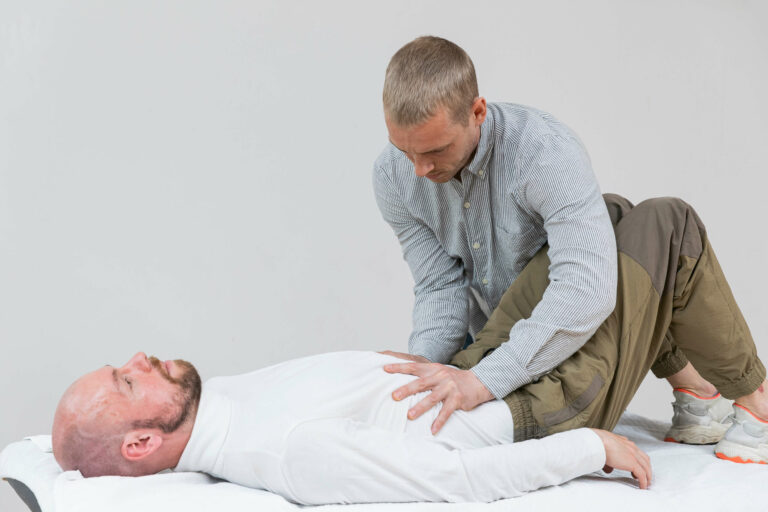
An osteopathic approach can be crucial in promoting the body’s ability to maintain a healthy fluid balance. Osteopaths work with the body’s structures, including fascia, muscles and joints, all of which can influence fluid turnover and circulation. Tensions and restrictions in the tissue can limit lymph and blood circulation, which hinders the body’s efficiency in transporting fluid and nutrients.
Through manual therapy, osteopaths can improve fluid dynamics, which supports the body’s natural regulation of fluid balance. This can help alleviate symptoms related to dehydration and improve overall health.