17.01.25
Whooping cough – symptoms in children and adults, routes of infection and treatment
Whooping cough, also known as pertussis, is a highly contagious bacterial respiratory infection that is best known for the severe coughing fits it can cause. In this article, we take a closer look at what whooping cough is, the symptoms of whooping cough, its treatment, and more.


What is whooping cough?
Whooping cough is an infection of the respiratory tract caused by the bacterium, Bordetella pertussis. The infection is characterized by intense, uncontrollable coughing fits, vomiting, and retching after the fits, but the amount and intensity of symptoms can vary greatly.
The disease can affect people of all ages, but it is particularly serious in young children, and especially infants under six months of age who have not yet completed the full vaccination program. (Source: Center for Disease Control and Prevention).
How is whooping cough transmitted?
As you can read in the next section, the disease is divided into phases. Whooping cough is most contagious in the early phase and is spread by droplet transmission, which means that the infection is transmitted through airborne droplets from an infected person’s cough or sneeze. If the infected person is not treated when the coughing attacks increase, he/she will be contagious for up to 2-3 weeks. (Source: Statens Serum Institut).
During the period of coughing attacks, you will typically experience side effects, such as back pain.
Symptoms of whooping cough
As mentioned, the symptoms of whooping cough develop in stages. The initial symptoms are similar to a common cold and may include:
- Runny nose
- Mild fever
- Mild, occasional cough
After a week or two, the disease changes phase and the more serious symptoms begin – including:
- Long coughing fits that end with a barking/whooping sound when the person inhales
- Vomiting after coughing fits
- Exhaustion after coughing fits
(Source: Sundhedsstyrelsen)
Prevention and treatment of whooping cough
Prevention plays a crucial role in the fight against the spread of whooping cough, and the primary method of prevention is vaccination, which is recommended for both children and adults. Here are some additional details about prevention and treatment options:
Vaccination
Specific vaccination of children can prevent diseases such as:
Diphtheria
Tetanus
Whooping cough
Polio
Parents, healthcare workers, and other adults who regularly come into contact with young children can also get a vaccine booster. (Source: Sundhed.dk).
Hygiene
Good hygiene is also essential to prevent the spread of whooping cough. This includes thorough hand washing, especially after coughing or sneezing, and covering your mouth and nose when coughing or sneezing.
Isolation
People diagnosed with whooping cough should stay isolated from schools, work, and public places until they have received appropriate antibiotic treatment and are no longer considered contagious, to avoid spreading the infection.
Antibiotic treatment
Antibiotics may be prescribed to people diagnosed with whooping cough to help reduce the duration and severity of the illness and reduce the risk of spread. This is most effective when started early in the course of the illness.
Maintaining a healthy lifestyle
A strong immune system generally has an easier time fighting infections. There is therefore every good reason to try to maintain a healthy lifestyle with a varied diet, regular exercise and sufficient rest, as this supports the effectiveness of the immune system.
Whooping cough and pregnant women
Pregnant women should be particularly aware of the risk of whooping cough, as the infection not only affects the mother but can also have serious consequences for the unborn child.
Infection in the late stages of pregnancy increases the risk of transmitting the bacteria to the baby, which can be life-threatening for the baby – especially if the baby is born prematurely or if the baby becomes infected before it has received vaccinations.
In recent years, it has been recommended that pregnant women in the third trimester be vaccinated against whooping cough during epidemics or outbreaks. The pregnant woman’s antibodies, which are formed during the vaccination, will be transferred to the child via the placenta, and then effectively protect the child against whooping cough. (Source: Sundhedsstyrelsen).
Whooping cough: children versus adults
The symptoms and course of whooping cough can vary considerably between children and adults. In children, especially infants, symptoms are often more severe and may include apnea (pauses in breathing), which requires immediate medical intervention. Children may also experience intense and uncontrollable coughing fits that can cause physical complications such as broken ribs or hernias.
Adults and older children may have milder symptoms, and some adults may even mistake their symptoms for the common cold or a persistent cough, which can lead to delayed diagnosis and treatment. Because of this difference, it is crucial that adults with a persistent cough seek medical attention themselves – especially if they have been in contact with someone who has whooping cough.
Osteopathy and whooping cough
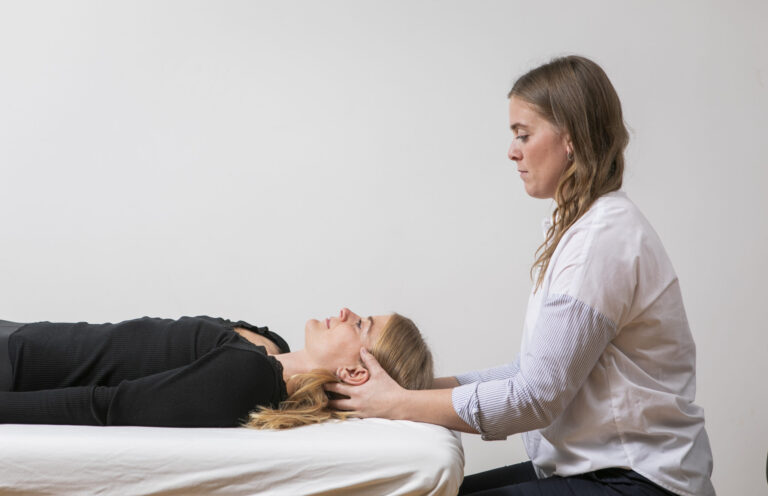
Although osteopathy cannot cure whooping cough, osteopathic treatments can help relieve some of the symptoms associated with the disease. By focusing on improving the overall function of respiratory structures and promoting lymphatic drainage, osteopaths can help reduce the intensity and frequency of coughing attacks.
Additionally, techniques aimed at reducing tension in the chest and around the ribs can improve respiratory function and potentially reduce the discomfort associated with severe coughing fits.
An investment in your well-being
Whooping cough is a serious respiratory infection that requires careful management and medical treatment, especially in young children. While osteopathy does not replace the need for medical treatment, it can be a valuable adjunct to help manage and relieve the symptoms associated with the disease.
If you or someone you know is struggling with the after-effects of whooping cough, or wants to strengthen the body’s ability to handle future respiratory infections, osteopathic treatment can be an incredibly valuable intervention.