17.01.25
Why do you experience muscle pain and what can you do about it?
We've all experienced muscle soreness after a hard workout. But what does it mean when you experience muscle pain at other times? Read on to understand it and to better manage and prevent muscle pain.


What diseases cause muscle pain?
Muscle pain can be a symptom of various diseases and conditions. Some of the most common causes include overuse of the muscles, infections, inflammatory diseases such as polymyalgia rheumatica, influenza, fibromyalgia, and autoimmune diseases such as lupus. In addition, medication side effects, electrolyte imbalances, and thyroid disorders can also lead to muscle pain.
Why do my muscles hurt?
There are several reasons why your muscles may hurt. The most common cause is exercise soreness. Also known as DOMS (Delayed Onset Muscle Soreness), it occurs after physical activity, especially when performing a new exercise or intensifying your training. It is different from acute injuries and muscle overexertion. It is actually caused by microscopic breakdowns of muscle tissue that occur during exercise, and the subsequent inflammation is the body’s natural response to repair and strengthen the muscles. It is usually felt 24-48 hours after exercise, and symptoms can include tenderness, stiffness and weakness in the affected muscles. This is completely normal and will go away within a few days.
However, muscle pain can also occur without an obvious cause, as mentioned above. These types of muscle pain can be more complex, and the causes can vary. They can be:
- Fibromyalgia: A condition that causes generalized muscle pain, fatigue, and tenderness.
- Myofascial pain syndrome: A condition in which certain trigger points in the muscles cause pain and discomfort.
- Chronic fatigue syndrome: A condition characterized by unexplained, persistent fatigue and muscle pain.
- Stress and anxiety: Mental stress and anxiety can cause tension in the muscles, which can lead to pain and discomfort.
What are the symptoms of muscle arthritis?
Muscular arthritis, also known as polymyalgia rheumatica, is a type of arthritis that is an inflammatory condition that primarily affects the shoulder and hip muscles. Typical symptoms include pain and stiffness in the muscles, especially in the morning and after periods of rest. Exercise can help relieve the pain associated with muscular arthritis. In addition to muscle pain, you may also experience fatigue, fever, and weight loss.
How do you get rid of muscle pain?
Treatment depends on the cause of the muscle pain. If it is due to overexertion, rest and gentle stretching exercises will often be enough to relieve the pain. For more severe cases or those related to illnesses, consult a doctor for an accurate diagnosis and appropriate treatment plan. Your doctor may prescribe anti-inflammatory and pain medications to help relieve symptoms.
What can be done about muscle pain?
For acute muscle pain, painkillers such as ibuprofen or paracetamol can be used for temporary relief. However, it is important to follow your doctor’s or pharmacist’s recommendations and dosage instructions. For more persistent or severe muscle pain, your doctor may prescribe stronger painkillers and anti-inflammatory drugs.
- Ice treatment: Used for acute muscle pain.
- Heat therapy: Effective for chronic muscle pain.
- Massage: Can relieve tension in the muscles.
- Stretching: Helps relax muscles.
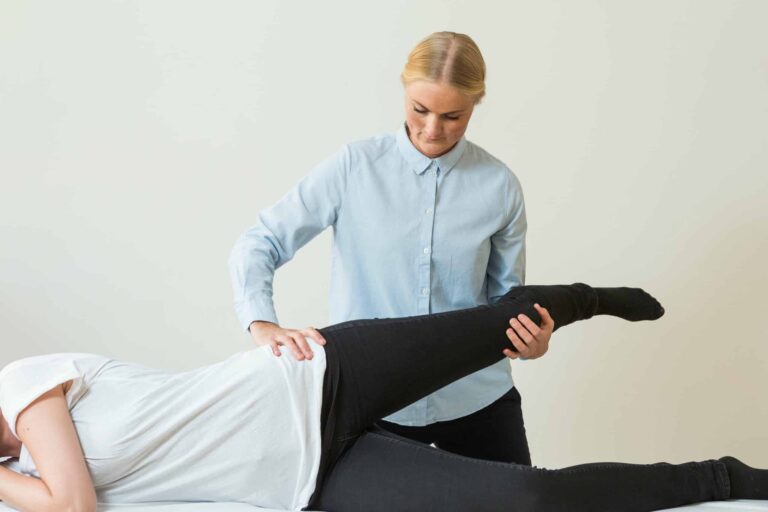
- Manual therapy techniques: Performed by experienced doctors, physiotherapists, osteopaths or chiropractors to relieve pain.
- Acupuncture: Can reduce muscle pain.
- Blockades: A treatment method to relieve pain and inflammation.
- Painkillers: Tablets or cream/gel can temporarily relieve pain.
- Muscle relaxant medication: Used to relax muscles and relieve pain.
- Muscle training: Strengthens the muscles and can reduce future pain.
- Warming up: Important before physical exertion.
- Gradual load: Increase the intensity slowly.
- General fitness training: Running, cycling or swimming can increase the pain threshold.
- Heavy training: Can have a positive effect on muscle pain.
- Reduce the load if training soreness has set in.
Osteopathy and muscle pain
Osteopathy can be used to treat muscle pain. The osteopath treats nerves, blood vessels and connective tissue related to muscles. The osteopath can also advise the patient on good advice and exercises for muscle pain.